Heart health4 min read
High blood pressure: the silent killer
It doesn’t hurt and often goes unnoticed, yet it damages the heart and blood vessels. How to detect it, and the right habits to keep it under control.
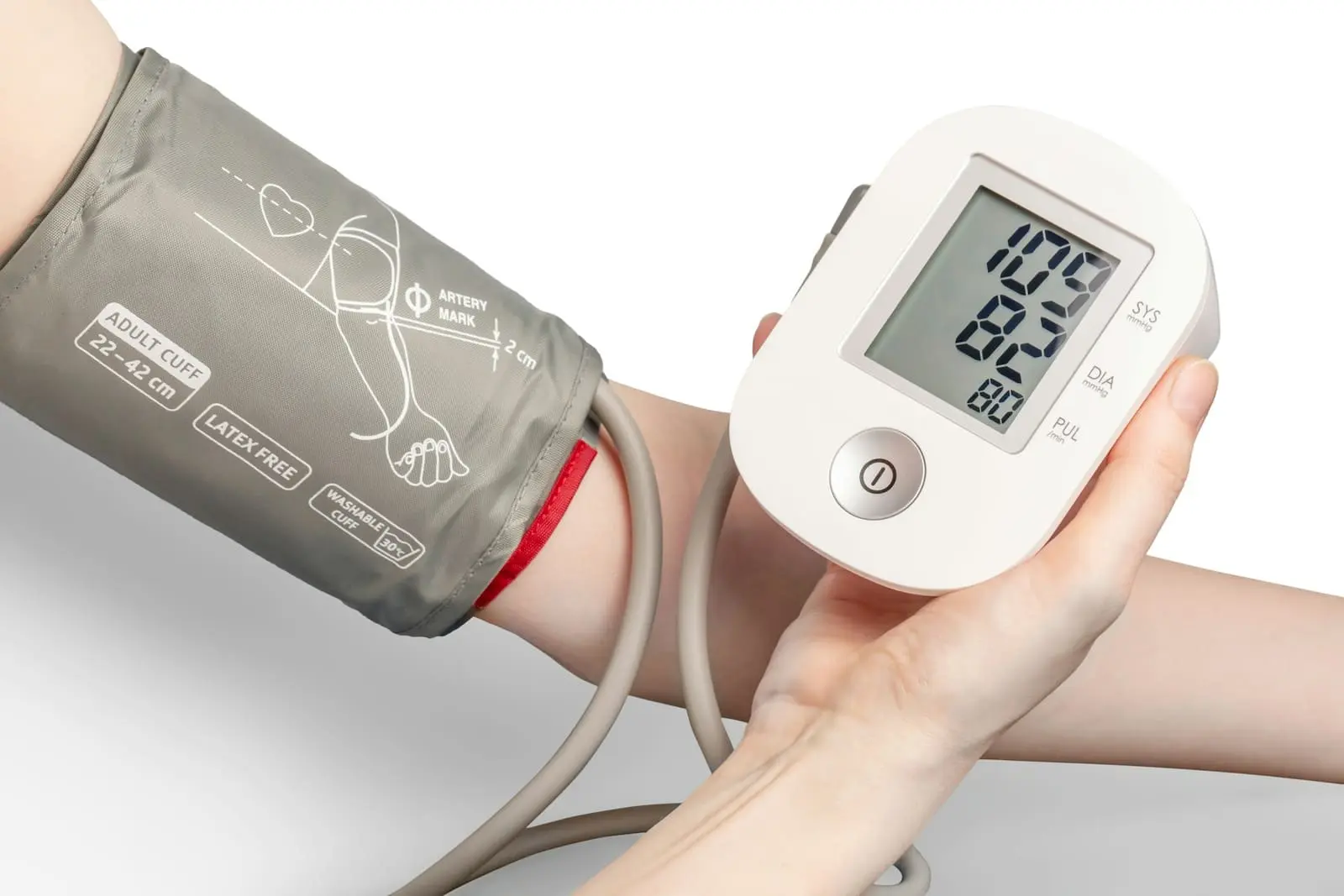
High blood pressure is one of the most common cardiovascular risk factors. Yet many people who have it don’t know it, because it usually causes no symptoms at all.
Why is it called a silent killer?
Excessive pressure in the arteries wears out the heart and gradually damages the blood vessels, brain, kidneys and eyes. Left untreated, high blood pressure significantly increases the risk of heart attack, stroke and kidney failure. It is most often discovered by chance, during a simple check at the doctor’s.
Which numbers matter?
Blood pressure is expressed as two values in millimetres of mercury (mmHg): systolic pressure, when the heart contracts, and diastolic pressure, when it relaxes.
- At the doctor’s, high blood pressure starts at 140/90 mmHg, measured on several occasions.
- At home, the threshold is lower: an average of 135/85 mmHg over several days.
- A single reading is never enough to make a diagnosis.
Measure to diagnose accurately
The stress of a medical visit can raise your blood pressure: this is known as the white coat effect. Conversely, some people have normal readings at the practice but high blood pressure in daily life. Ambulatory blood pressure monitoring (ABPM) records your blood pressure over 24 hours, during your usual activities and while you sleep.
We offer this test at our practice: a cuff connected to a small, lightweight recorder that you wear for a day before bringing it back for analysis.
Healthy everyday habits
- Cut down on salt: the WHO recommends less than 5 g per day, about one teaspoon. Watch out for hidden salt in bread, cured meats, cheese and ready meals.
- Stay active: at least 150 minutes of moderate activity per week, such as brisk walking or cycling.
- Keep an eye on your weight and waist size.
- Limit alcohol and stop smoking.
- Favour fruit, vegetables, pulses and whole grains.
- Look after your sleep and learn to manage stress.
When these measures are not enough, medication may be needed. Taken regularly, it greatly reduces the risk of complications. Never stop it without talking to your doctor, even if you feel fine.
Health journal articles are provided for information only and do not replace a medical consultation.
Back to the journal