Mental health4 min read
Chronic stress: recognising the warning signs and finding balance
Helpful in small doses, stress becomes harmful when it lingers. The signs to watch for, and practical ways to break free.

Stress is a natural reaction: when facing a challenge, the body releases adrenaline and cortisol to help us respond. Useful in the short term, this response becomes harmful when it lasts.
Acute stress, chronic stress
A surge of stress before an exam or an important deadline is normal and fades once the situation has passed. Chronic stress sets in when demands keep piling up without enough time to recover: work overload, family or financial difficulties, a loved one’s illness…
Warning signs
- Physical: persistent fatigue, sleep problems, muscle tension, headaches, digestive issues, palpitations.
- Emotional: irritability, anxiety, feeling overwhelmed, loss of motivation.
- Behavioural: withdrawal, difficulty concentrating, increased use of alcohol, tobacco or sugar.
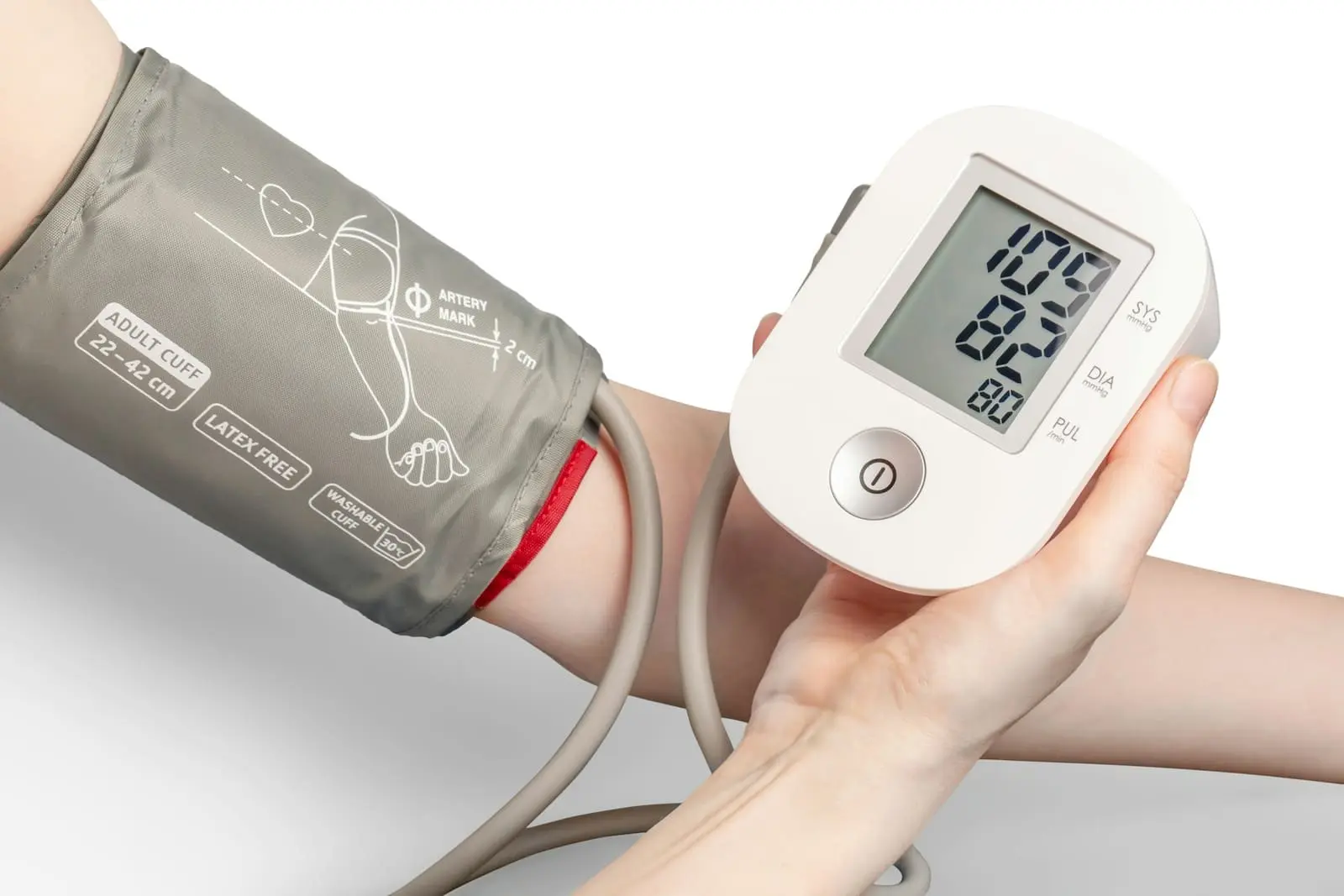
Over time, stress contributes to high blood pressure, cardiovascular disease, anxiety disorders, depression and burnout.
Finding balance again
- Move: regular physical activity is one of the best antidotes to stress. In Valais, a walk in the forest or the mountains does twice the good.
- Breathe: a few minutes of slow, deep breathing several times a day calms the nervous system.
- Sleep: regular hours and screens off an hour before bed promote restful sleep.
- Set boundaries: learn to say no, delegate and prioritise.
- Stay connected: talking to someone close often helps put things in perspective.
- Cut back on stimulants: coffee, alcohol and tobacco fuel the vicious circle of stress.
Asking for help is not a sign of weakness: it is often the first step towards feeling better.
When to talk to your doctor
If symptoms last more than a few weeks, or affect your work, sleep or relationships, don’t wait. Your family doctor can take stock, look for a physical cause, offer support and, if needed, refer you to a specialist.
Health journal articles are provided for information only and do not replace a medical consultation.
Back to the journal